

Central Chillers
An industrial central chiller is a piece of equipment used to provide cooling for multiple processes. The chiller incorporates both the refrigeration circuit and controls and is installed in conjunction with a pumping system. The pumping system can be integral to the chiller but often the two items are installed separately. Central chillers are used for higher cooling capacity requirements and offer a cost effective means to cool multiple processes without requiring a single portable chiller dedicated to each process. Central chillers are also highly energy efficient utilizing special compressor technology like oil free designs. The capacity of these systems can range from 9 kW to 1060 kW. The chillers are typically modular and can be added to a system in the future to expand the cooling capacity.


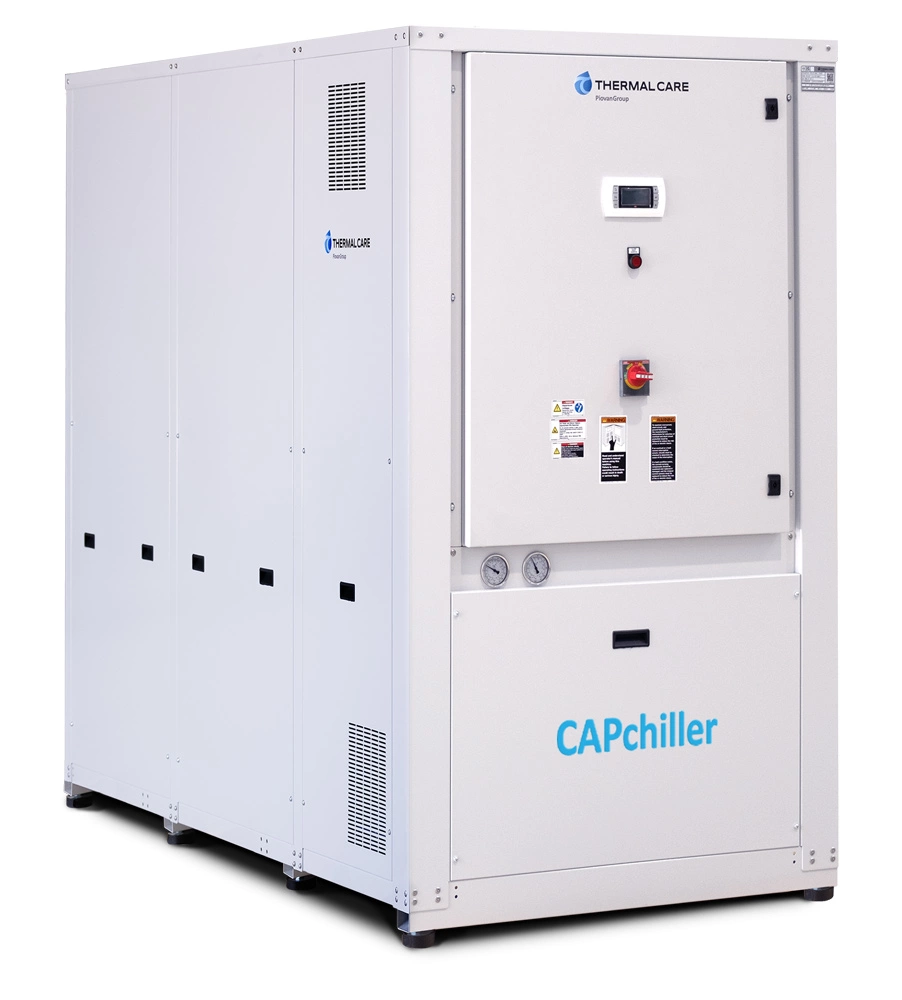
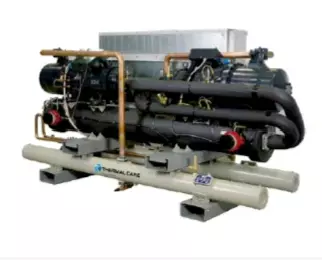
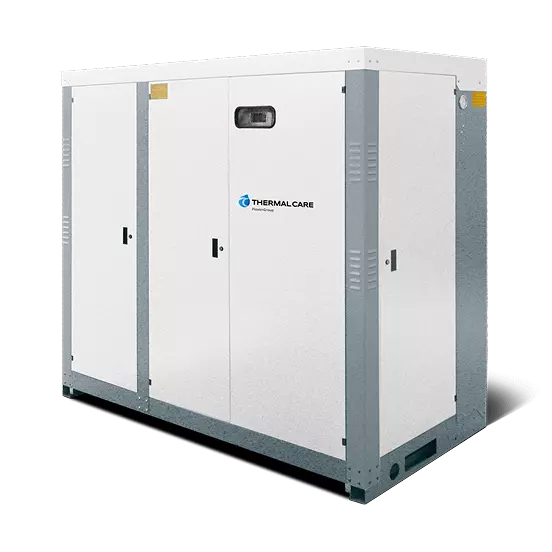
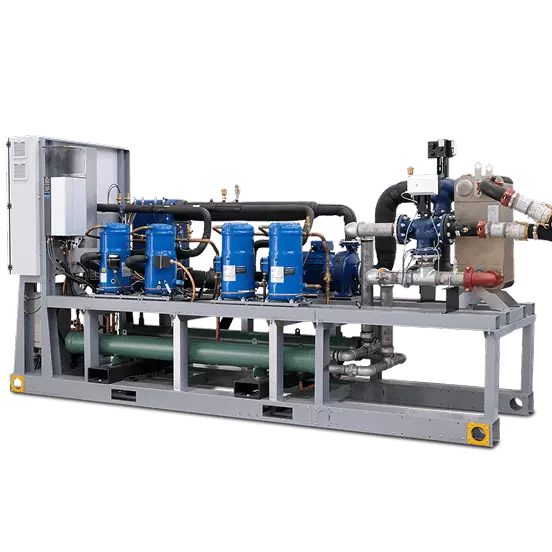
Central Chiller Configurations
There are two different types of central chillers: water-cooled and remote air-cooled also referred to as a split system. These types of chiller describe the type of condenser used to ultimately reject the process heat.
Central Chillers are used to support entire production facilities or large sections of facilities. They are ideal for systems that have a varying demand across the operating hours of the plant. For example, when the facility runs over the weekend, the demand is greatly reduced and the central chiller system can unload to match this demand. Then when normal operation resumes the chiller can react to meet the higher demand. This requires no infrastructure changes to the facility to accurately support this demand.
Compressor Technology
Thermal Care TC, TSE, and MX Series chillers utilize multiple types of compressor technology including variable speed, centrifugal units, as well as scroll and screw compressors. Water-cooled units incorporate cleanable shell and tube condensers.
The remote air-cooled condensers are available in a variety of configurations and designs that allow Thermal Care’s Dynamic Lift technology to reduce energy consumption. Each series use high efficiency, stainless steel brazed plate evaporators and PLC controls to provide the best available technologies for the ultimate performance and reliability in a chiller package.
The Largest Selection of Central Chillers
No other manufacturer can offer you a larger selection of central chillers than Thermal Care. Whether you need an a water-cooled, or a remote condenser central chiller, chances are Thermal Care can design a system that provides the best solution for your particular needs considering redundancy, reliability, and energy efficiency. Having trouble deciding which type of chiller is best for you? Feel free to contact us or take a look at our page on air cooled vs. water cooled chillers.

Have questions about process cooling solutions?
Frequently Asked Questions About Central Chillers
Once a facility is running roughly three or more portable chillers, or once total cooling demand passes about 40 to 50 tons, a central chiller plant usually wins on lifecycle cost. Centralizing the refrigeration into one or two larger units allows redundancy, better part-load efficiency through staged compressors, simpler refrigerant management, and a single point of service for maintenance teams. Process-side temperature control is still handled at each machine through temperature control units or thermolators, so individual processes keep their setpoint flexibility while the plant gains efficiency at the source and frees up production floor space currently occupied by portable units.
At sizes above roughly 100 to 150 tons, water cooled condensers paired with a cooling tower generally produce lower lift across the refrigeration cycle than air cooled condensing at the same conditions. Lower lift means lower compressor power for the same delivered cooling, which compounds across thousands of operating hours per year. Water cooled designs also tend to occupy less mechanical room floor space per ton, because the bulk heat-rejection volume is moved outdoors to the tower. Air cooled central chillers remain a strong choice where tower water is unavailable, where freeze risk is high, or where the simplicity of a single packaged outdoor unit is preferred.
Multiple central chillers share a common chilled water loop and are staged on and off by a plant controller based on return water temperature, supply temperature, or measured load. At low load, only one unit runs near its most efficient operating point; as load climbs, additional units are brought online. Variable primary or primary-secondary pumping arrangements keep flow stable at each operating chiller. Sequencing logic also rotates lead-lag duty so runtime hours are spread evenly across the plant, which extends compressor life and lets any one unit be isolated for service without taking down production capacity.
A complete central chiller plant typically includes the central chillers, the pump skid or pump station for the chilled water loop, a condenser water pump skid where applicable, the cooling tower or adiabatic fluid cooler, an expansion tank, a make-up water assembly, filtration and water treatment provisions, and the plant controller that ties everything together. Thermal Care can supply each of these components and engineer them as a coordinated package, simplifying commissioning and avoiding cross-vendor finger-pointing that can occur when components are sourced separately from multiple manufacturers.
Yes, and planning for expansion at the original design stage is much less expensive than retrofitting later. We typically recommend specifying the chilled water headers, pump skid, electrical service, and floor space for the eventual plant size, even if only a subset of the chillers is installed in phase one. Future chillers can then be tied into pre-installed isolation valves, pump capacity, and panel space without shutting down the production lines that depend on existing cooling. Our application engineers regularly help customers stage a plant build over several capital cycles to match budget timing.
Industries We Serve

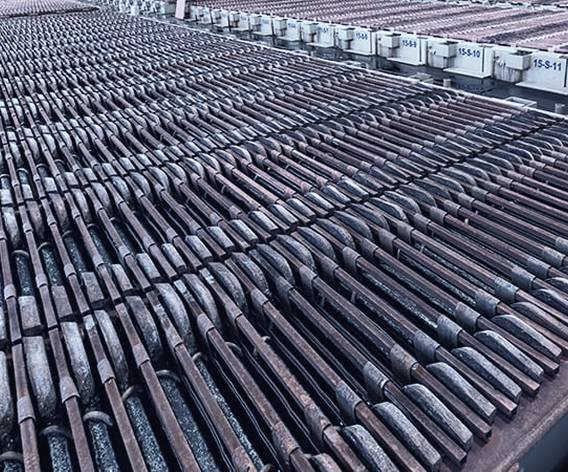

Thermal Care is a leading manufacturer of industrial process cooling equipment for the Metal and Surface Finishing Industry.


Maintaining a precise setpoint temperatures is necessary to produce high-quality essential oils. Count on Thermal Care application specialists to understand your process.
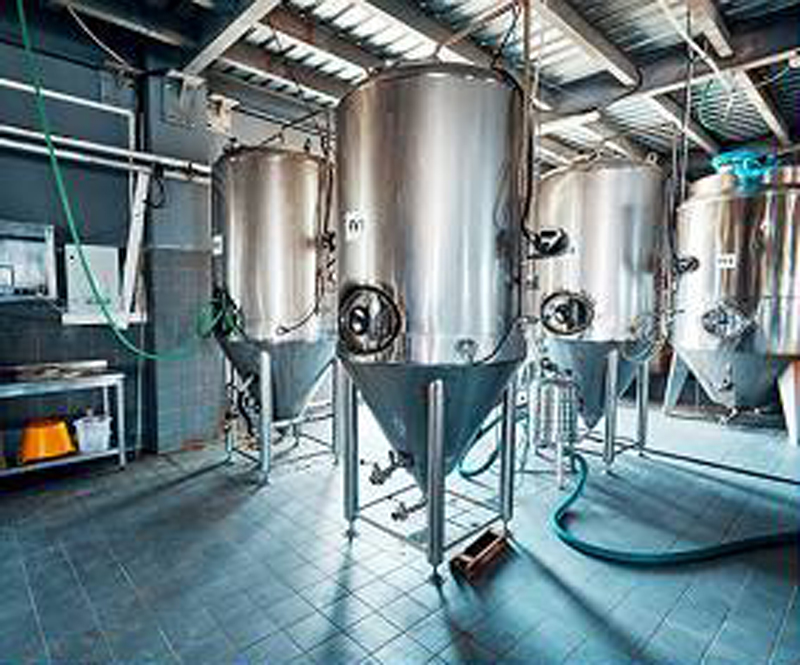

There are several important factors to consider when selecting a brewery chiller, chillers for wineries, or chillers for distilleries, including brew house capacity, and more.


Thermal Care is a leading manufacturer of industrial process heating and cooling equipment for chemical applications.


Thermal Care is the perfect solution for your dairy application's needs with a complete line of chillers, and custom tank systems.


Thermal Care is a leading manufacturer of heating and cooling equipment, and can perfectly support mission critical data center cooling needs.
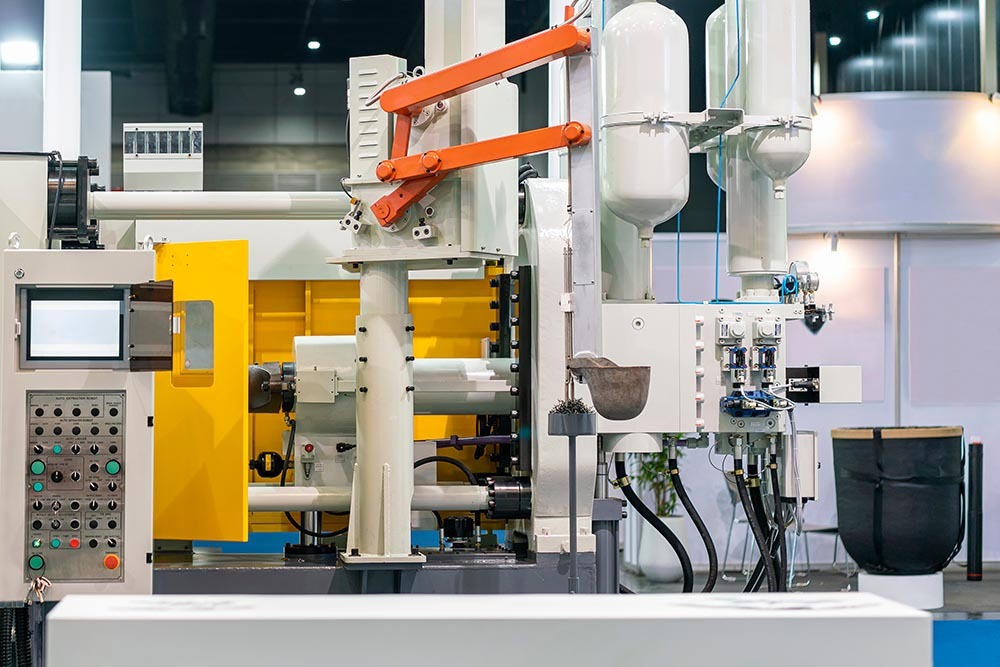

Thermal Care has a complete line of heating & cooling equipment including chillers, and custom tank systems to serve die casting.
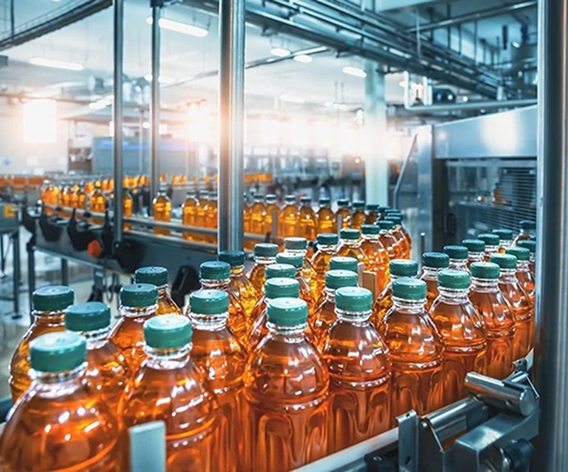

Since 1969, Thermal Care has been a leading manufacturer of industrial process heating and cooling equipment in the food industry.
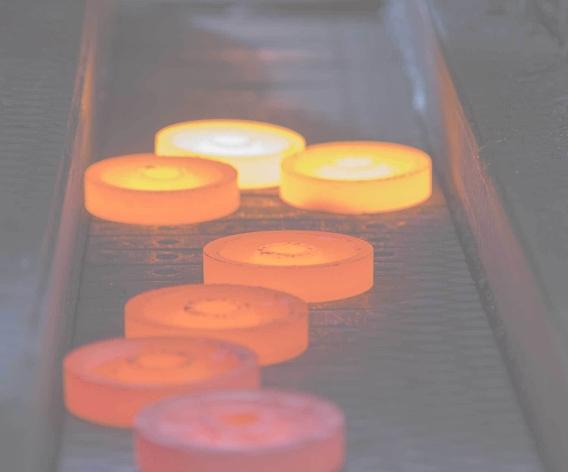

Thermal Care is a leading manufacturer of a diverse line of industrial process cooling equipment for the Heat Treating Industry.
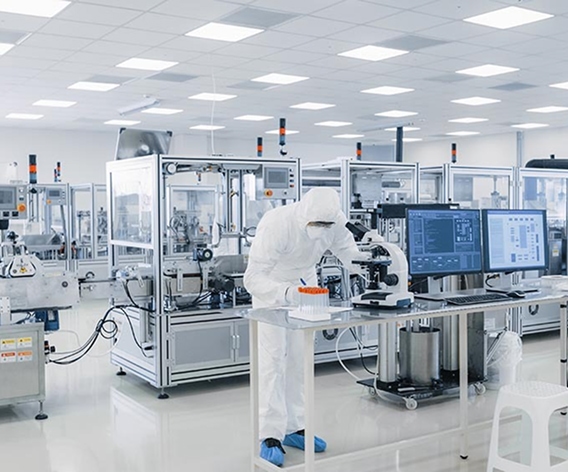

For over 50 years, Thermal Care has provided industrial process heating and cooling equipment and systems to the medical industry.


With so much relying on the right solution, you need process cooling equipment for plastics applications from Thermal Care you can depend on.


Ice Rink chillers from Thermal Care are specifically designed to provide proper ice building conditions and ice maintenance.
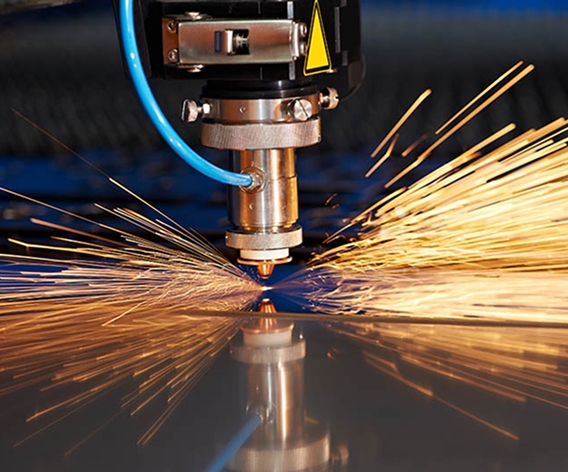

Whether it is for Yag lasers, CO2 lasers, or fiber lasers, Thermal Care laser chillers are the correct choice for your application.

No issues as far as reliability. One of the few plant systems we have had no issues with as far as reliability. It has provided very stable temperatures for our process. We were able to partially pay for the system with low interest loans from our energy company due to the significant energy savings. By going with remote air cooled chillers, we have been able to enjoy the winter time energy savings without the additional costs of air to water heat exchangers. -- Chris Mosher, Teal Plastics